Sensing layer
CMOS / global shutter / TOF selection matched to robot illuminance, frame rate, and size constraints.
Stereo · TOF · vision-guided — perception front-ends built for mass production
For service robots, dexterous hands, and industrial collaboration, Shunter offers camera module customization and vision guidance: from sensor and lens selection and mechanical tooling, through stereo / TOF sync calibration and small-batch delivery—supporting grasping, following, and fine manipulation.
Combine with vision PCBA, on-device AI, and vision solutions for an end-to-end robotics vision chain: sensor—module—board—algorithm.
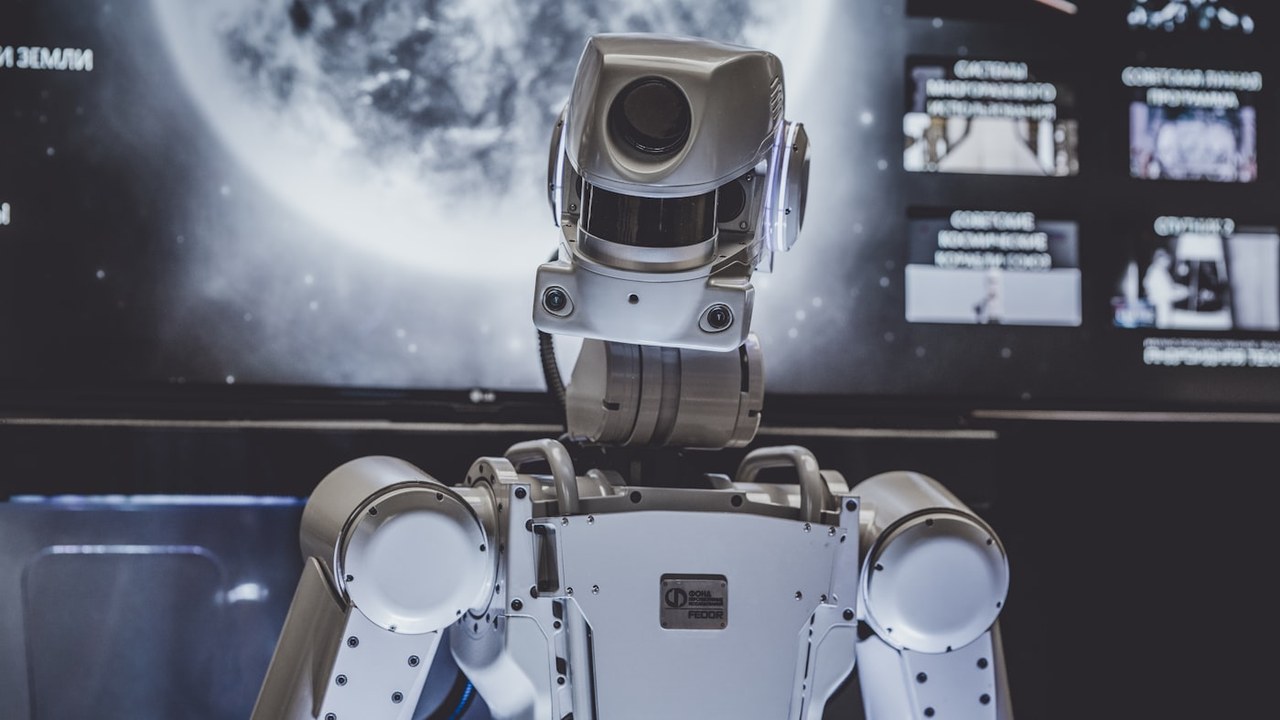
A practical robotics vision front-end engineering path—six coordinated stages from optics to mass production.
FOV / resolution
Form factor and interface constraints
OV and others
Mono / stereo / TOF
Lens / filter
Bracket and sealing design
AA / active focus
Module consistency control
Intrinsics / extrinsics / sync
ISP / SoC integration
Functional test
Small batch to mass production
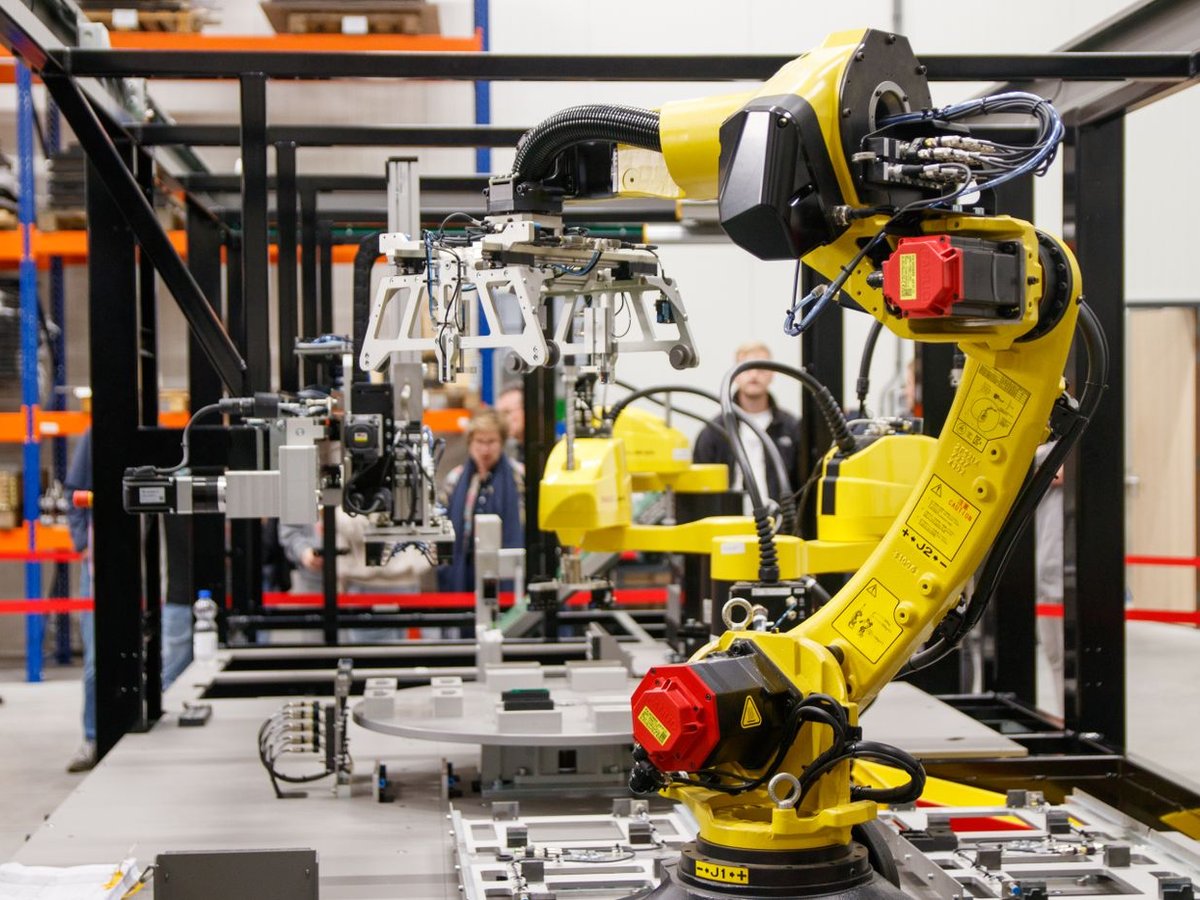
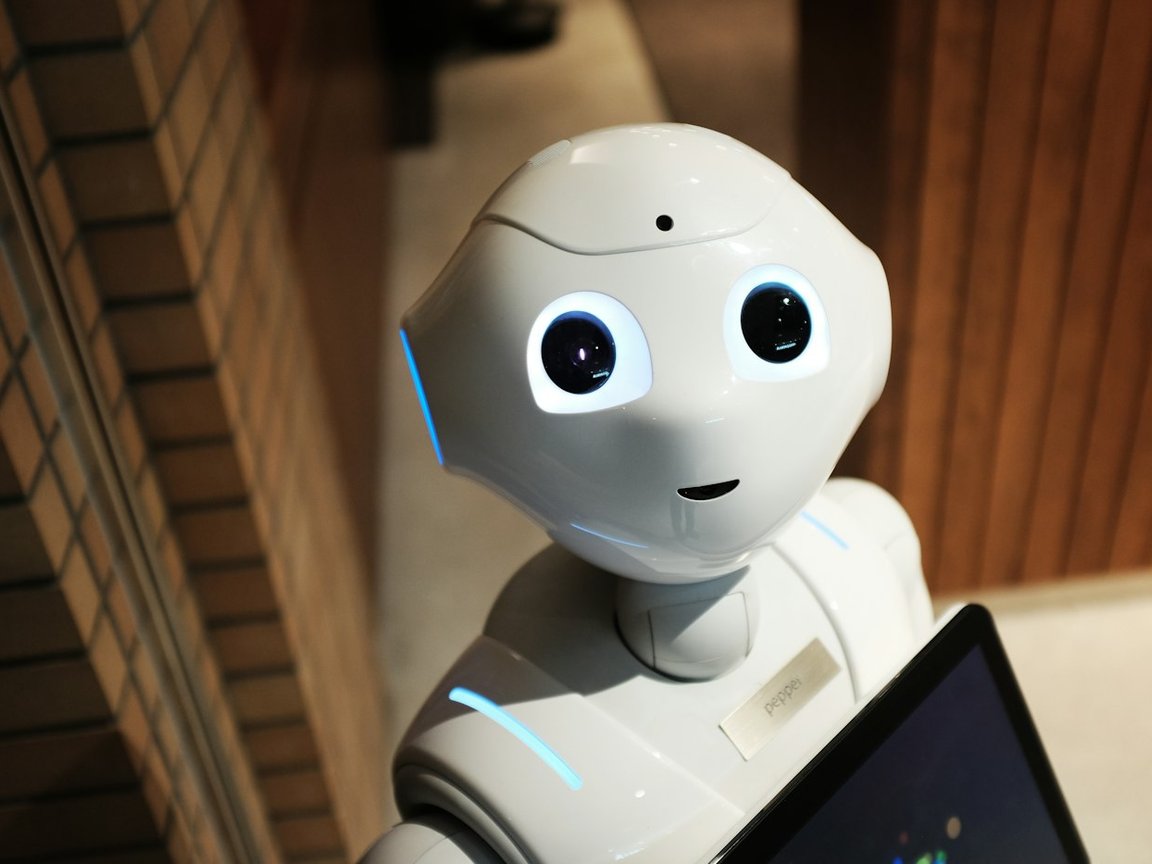
CMOS / global shutter / TOF selection matched to robot illuminance, frame rate, and size constraints.
Lens, IR-Cut, filtering, and distortion control for FOV and imaging quality baselines.
Brackets, baseline distance, sealing, and thermal design for arms, mobile bases, and dexterous-hand mounts.
Mono / stereo intrinsics and extrinsics, multi-cam sync, and ISP bring-up for grasping and navigation algorithms.
Typical robotics vision projects advance by stage—reducing risk from split optics, mechanics, and board work.
Define application (guided grasp / follow / obstacle avoidance), FOV, resolution, form factor, and connectors.
Evaluate OV and lens combinations; add stereo baseline or TOF when needed.
Module structure, bonding process, and DFM—with fixtures reserved for mass production.
First-article AA / focus, sharpness and consistency checks; integrate with board ISP.
Stereo / multi-cam calibration, sync triggers, and bring-up with on-device algorithms or firmware.
Small batch, frozen test specs, and ongoing engineering change control.
The customization chain lands as a sync-capable, tunable stereo module for depth sensing, following, and guided grasping.
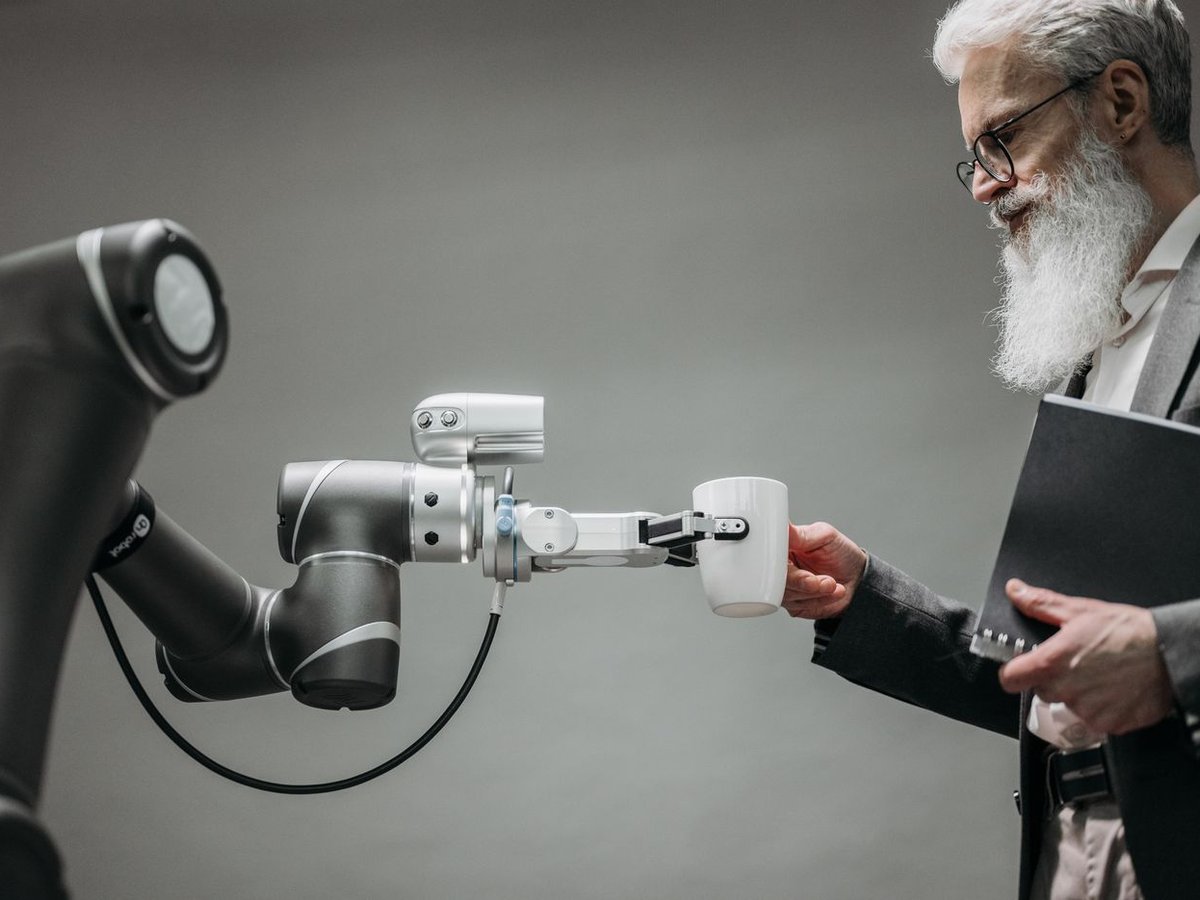
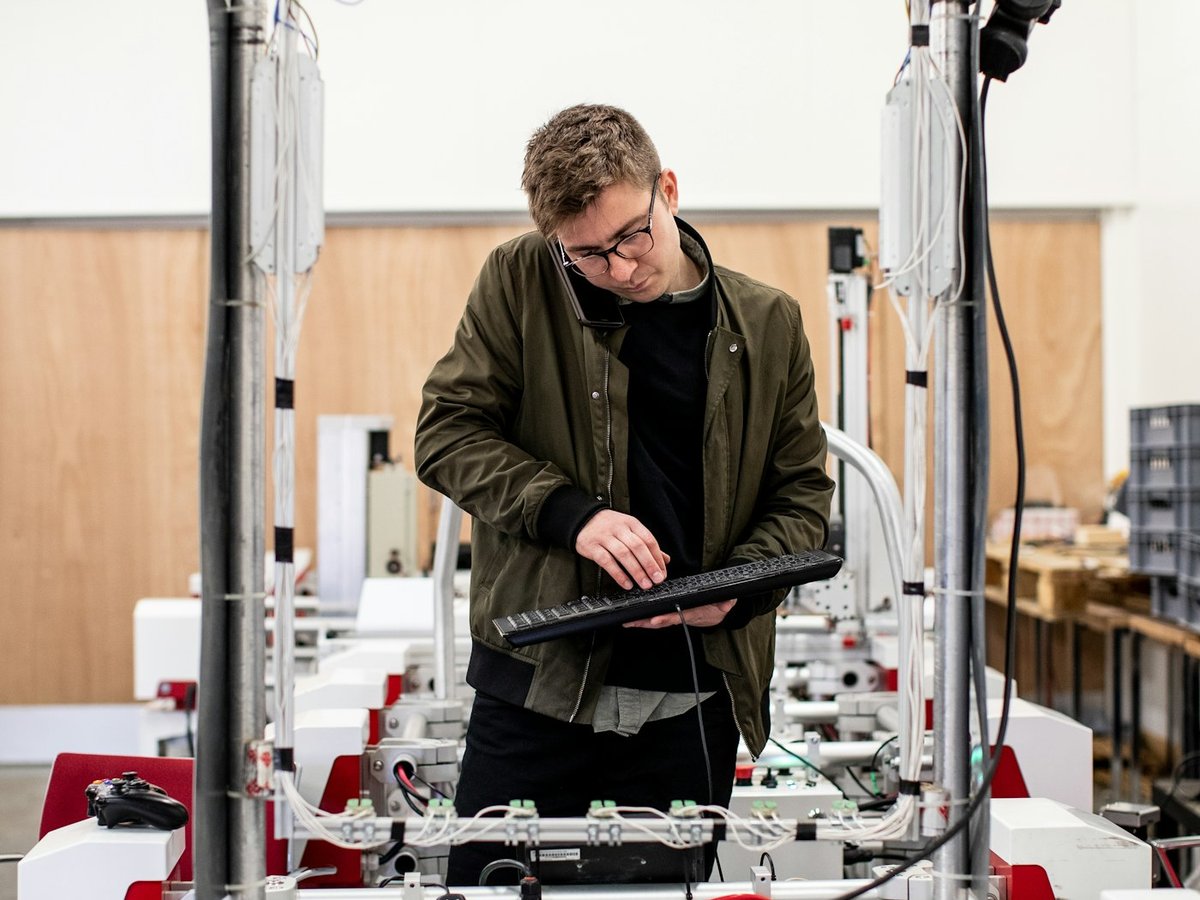
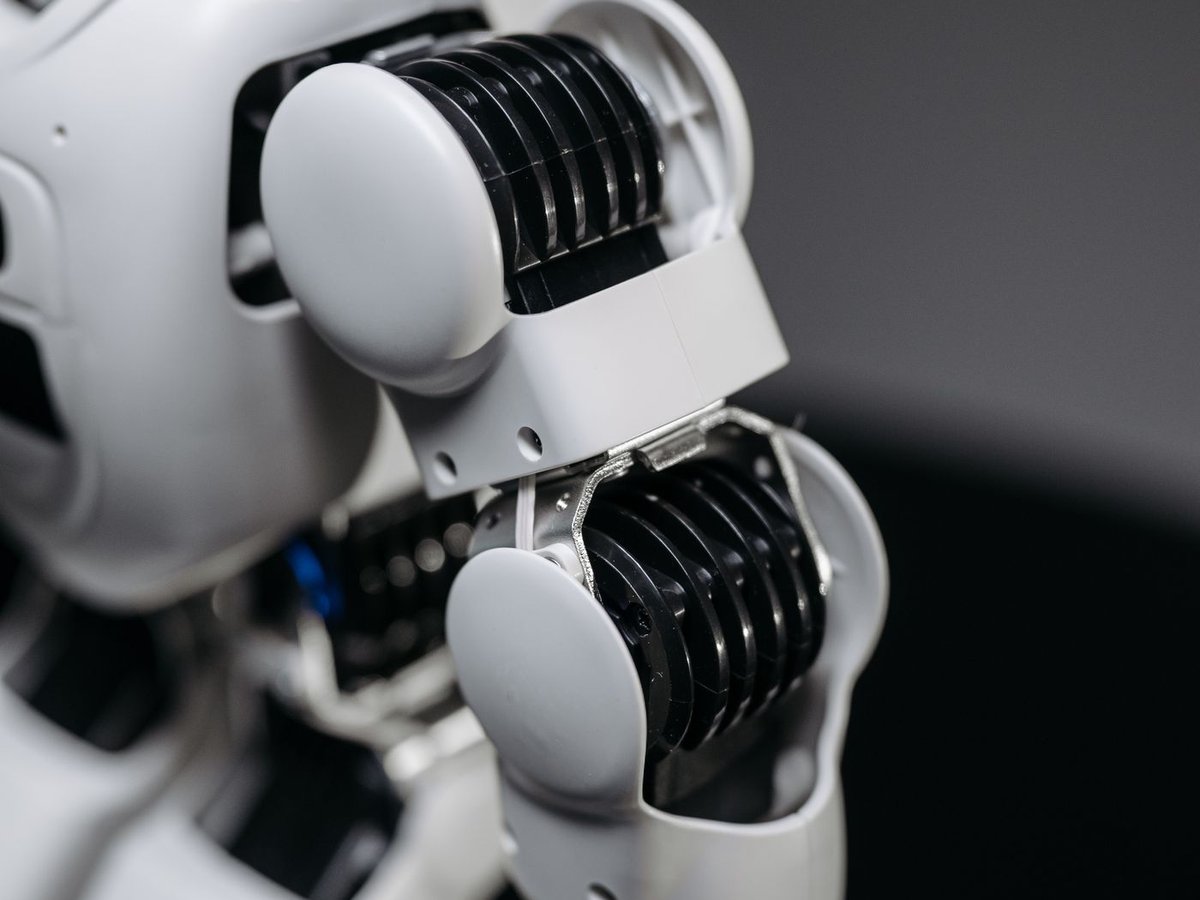
Object detection and grasp-point estimation for end-effector work and human–robot collaboration.
Distance and motion front-ends for navigation, obstacle avoidance, and target following.
Close-range high-resolution vision front-ends for assembly and sorting precision.
Request a consultation Explore Smart Home Explore Industrial Vision